- 01 Investment Opportunities
- 02 States
- 03 Textile Parks
- 04 Textile Institutes & R.A
- 05Trade Fare & Events
- 06Trade Fare Associations
- 07 About Us
- Sectors
- Technologies
- Services/Utilities
- NAGALAND
- CHATTISGARH
- BIHAR
- ASSAM
- WEST BENGAL
- UTTARAKHAND
- UTTAR PRADESH
- TRIPURA
- TELANGANA
- TAMIL NADU
- SIKKIM
- ARUNACHAL PRADESH
- RAJASTHAN
- PUNJAB
- Orissa
- DELHI
- MIZORAM
- MEGHALAYA
- MANIPUR
- MAHARASHTRA
- MADHYA PRADESH
- ANDHRA PRADESH
- KERALA
- KARNATAKA
- JHARKHAND
- JAMMU & KASHMIR
- HIMACHAL PRADESH
- HARYANA
- GUJARAT
- GOA
- Indian Institute of Technology
- M.S. University of Baroda
- National Institute of Fashion Technology Raebareli
- National Institute of Fashion Technology Shillong
- National Institute of Fashion Technology Srinagar
- Ahmedabad Textile Industry's Research Association (Atira)
- Bombay Textile Research Association
- South India Textile Research Association
- Northern India Textile Research Association
- Synthetic & Art Silk Mill's Research Association
- Man-Made Textile Research Association
- Indian Jute Industrie's Research Association (IJIRA)
- Bapuji Institute of Engineering & Technology
- Wool Research Association
- National Institue Of Event Management
- SGGS College of Enginnering & Technology
- Manikyalal Verma Textile Institute
- Sarvajanik College of Engineering & Technology
- Department of Applied Chemistry & Technology
- Indian Institute of Carpet Technology
- Kumarguru college of Technology
- SSM College Of Engineering
- Institute of Jute Technology
- Veermata Jijabai Technological Institute
- Dr. B.R. Ambedkar Engg. College
- GZS Campus College of Engineering & Technology
- Shri Vaishnav Institute of Technology & Science
- Anuradha Engineering College
- Jawaharlal Darda Institute of Technology
- Lalbhai Dalpatbhai College of Engineering
- Institute of Textile Technology
- Government College of Engineering & Textile Technology
- Government College Of Engineering And Textile Technology
- University College Of Engineering Osmania University
- Uttar Pradesh Textile Technology Institute
- Government Sri Krishnarajendra Silver Jubilee Technological Institute
- RTE Society's Rural Engineering College
- S.L.N College of Engineering
- Bannari Amman Institute of Technology
- Jaya Engineering College
- K. S. Rangasamy College of Technology
- RVS College of Engineering & Technology
- DR. BABASAHEB BHIMRAO AMBEDKAR GOVERNMENT POLYTECHNIC
- Govt. Institute of Textile Chemistry & Knitting Technology
- Punjab Institute Of Textile Technology
- Technological Institute of Textile and Sciences
- Baba Hira Singh Bhattal Institute of Engineering and Technology
- Government Polytechnic
- Govt. Polytechnic
- Government Polytechnic Farrukhabad
- DR.B.R.A. POLYTECHNIC COLLEGE
- Shri Vaishnav Polytechnic College
- Government Polytechnic College
- Assam Textile Institute
- Govt. Polytechnic, Barari
- R.C. Technical Institute
- A.C. College of Technology, Anna university
- Sir Bhavsinhji Polytechnic Institute
- Dr. S and S.S. Gandhi College of Engg. and Technology
- Mantra Institute of Textiles
- Govt. Polytechnic, Sadar
- Govt. Polytechnic College
- SASMIRA’S INSTITUTE OF MAN-MADE TEXTILES
- Govt. Institute of Textile technology
- Government Institute of Textile Technology
- S.R. Vastrad Rural Polytechnic Institute, Guledgudd
- R.T.E.Societys Rural Polytechnic
- PSG College of Technology
- Govt. Institute of Textile Technology.
- Bapuji Polytechnic, Shabanur
- H.K.E. Polytechnic
- Central Polytechnic, Vattiyoorkavu
- Govt. Polytechnic, Kannur
- Institute of Textile technology, Taramani
- Annamalai Polytechnic, Chettinad
- Erode Institute of Technology
- G.R.G Polytechnic for Women
- Nachimuthu Polytechnic College
- Shri Krishnarajendra Silver Jubilee Technological Institute
- P.S.G. Polytechnic
- Rukmini Shanmugam Polytechnic
- SSM Polytechnic College
- Thiagarajar Polytechnic
- The Karur Polytechnic
- V.L.B. Janaki Ammal Polytechnic
- Erode Institute of Chemical Technology
- Gomathi Ammal Polytechnic
- K.L. Nagaswamy Memorial polytechnic
- Latha madhavan Polytechnic
- University Department of Chemical Technology
- Murugesan Institute of Technology, Karmapuram
- Nanjappa Institute of Technology, Karumathampatti
- Pasumpon Netaji Polytechnic
- Rudraveni Muthuswamy Polytechnic, Palampampathy
- Senthur Polytechnic College
- Sri Sowdambika Polytechnic
- Subramaniam Polytechnic
- National Institute of Fashion Technology Bangaluru
- National Institute of Fashion Technology Bhopal
- National Institute of Fashion Technology Bhubaneswar
- DKTE Society's Textile & Engineering Institute
- National Institute of Fashion Technology Chennai
- National Institute of Fashion Technology Delhi
- National Institute of Fashion Technology Gandhinagar
- National Institute of Fashion Technology Hyderabad
- National Institute of Fashion Technology Jodhpur
- National Institute of Fashion Technology Kangra
- National Institute of Fashion Technology Kannur
- National Institute of Fashion Technology
- National Institute of Fashion Technology Mumbai
- National Institute of Fashion Technology Bihar
- Federation of Indian Chambers of Commerce & Industry (FICCI)
- Indian Technical Textile Association (ITTA)
- Confederation of Indian Textile Industry (CITI)
- Apparel Export Promotion Council
- The Cotton Textiles Export Promotion Council
- The Synthetic & Rayon Textiles Export Promotion Council
- Wool and Woollens Export Promotion Council
- Wool Industry Export Promotion Council
- Indian Silk Export Promotion Council
- Carpet Export Promotion Council
- Export Promotion Council for Handicrafts
- Powerloom Development & Export Promotion Council
- Handloom Export Promotion Council
- Jute Products Development and Export Promotion Council
- Sports Goods Export Promotion Council
- Council for Leather Exports
- Knitwear & Apparel Manufacturers Association of Ludhiana
- Tiruppur Exporters' Association
- The Southern India Mills Association
- Garment Exporters & Manufacturers Association
- Gujrat Exporters & Manufacturers Association
- Clothing manufacturer association of india
- Eastern India Garment Manufacturers & Exporters Federation
- Chamber of textile trade & industry
- Central Silk Board
- The Synthetic & Art Silk Mills' Research Association
- Assam apex weavers & artisans cooperative federation
- Ahmedabad textile mills association
- The Rajasthan Textile Mills Association
- All india carpet manufacturers association
- Indian Jute Mills Association
- Spinners Association Gujarat
- Open End Spinning Mills Association
- Tamilnadu Spinning Mills Association
- Shingora Textiles Limited
- The Madhya Pradesh Textile Mills Association
- South Gujarat Textile Processors Association
- Indian Woollen Mills Federation
- Textile Machinery Manufacturers Association
- Association Of Synthetic Fibre Industry
- The Textile Association
- Garment Exporters Association Of Rajasthan (GEAR)
- All India Woollen & Textiles Association
- ASSOCIATION OF MAN-MADE FIBRE INDUSTRY OF INDIA (AMFII)
- Indian Textile Accessories And Machinery Manufacture Association
- MAHARASHTRA STATE TEXTILE HAND PROCESSORS ASSOCIATION
- The Clothing Manufacturers Association Of India
- Denim Manufacturers Association
- Eastern India Textile Mills Association
- Federation of Hosiery Manufacturers' Association of India
- Indian Sports Goods Industry's Manufacturer's and Exporters Association
- Federation of Indian Export Organisations
- Confederation of Indian Industry
- PHD Chamber of Commerce and Industry
- Northern India Textile Mills Association (NITMA)
- Knit Cloth Manufacturers Association
- South India Imported Machine Knitters Association
- Indian Jute Industries Research Association
- Jute Products Importers Association
- Computer Embroiderers Association
- Coimbatore Dist Powerloom Cloth Dealers Association
- The Federation of Tamilnadu Yarn Merchant's Association
- Coimbatore District Power-loom cloth Dealer Association
- South Indian Hosiery Manufactures Association
- Cotton Merchants Associaton
- Dyers Association Tirupur
- Tiruppur Export Knitwear Manufacturers Association
- Narrow Tape Manufacturers Association
- Tirupur Powerloom Association
- Screen Printer's Association of India
- Tirupur Steam Calendering Association
- Telangana State Federation Of Textile Association
- Andhra Pradesh Spinning Mills Association
- Garments Manufacturer & Wholesalers Association
- Andhra Pradesh Cotton Association
- Karnataka Hosiery and Garment Association
- The Ahmedabad Textile Processors' Association
- Coir Board of India
- Asha Handicrafts Association
- Basic Chemicals, Cosmetics & Dyes Export Promotion Council
- The Bombay Textile Research Association
- Khadi and Village Industries Commission
- Packaging Industry Association of India (PIAI)
- Jute Corporation of India
- West Bengal Hosiery Association
- Apparel Exporters Association of Ludhiana (APPEAL)
- Telangana and Andhra Composites Manufacturers Association
Snapshot
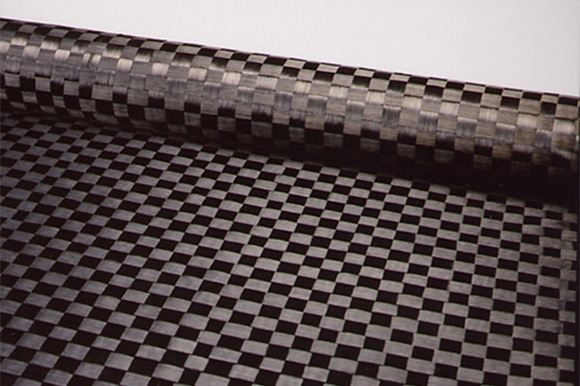
Composite textiles are advanced materials made by carefully combining two or more different components. In most cases, they consist of two parts: a matrix of material and reinforcement material involving fibers like carbon, glass, aramid, or basalt. Whereas aramid or basalt reinforcement adds strength and stiffness to the material, shape and other beneficial characteristics come from the matrix material.
The materials that go into the production of composite textiles may be natural as well as synthesized fibers that are designed to meet certain mechanical requirements. Modern technologies that cater to the requirements of textile composites include resin transfer molding, vacuum infusion process, and even the filament winding and lamination processes.
Composite textiles are widely used as materials for aerospace applications, automobiles, defense equipment, sportswear, boats, and industrial parts where the strength-to-weight ratio, hardness, heat or corrosion resistance, and other properties are highly important.
On the basis of structure or composition, the types of composite textiles could be classified as:
fiber-reinforced composites
laminated composites
hybrid composites
The different textile composites could be used for ‘structural’ purposes like laminated textiles, ‘protection’ like fiber-reinforced textiles, or ‘hybrid’ purposes involving a combination of fibers like hybrid composites. Overall, composite textiles show the example of the advancement of material science and the transformation of textile engineering to meet the industrial demand.
-
12
Composite Textiles

The buoyant domestic demand for Composites provides a driving impetus for all stakeholders within the value chain; – Raw Materials suppliers and End Component fabricators, thus boosting employment prospects as well. Currently, the Indian Composites Industry is poised to provide a lucrative opportunity to the International Composites Community, and the still untapped markets will provide a platform for investments, both FII & DII.
The Composites Industry is cyclical in nature, depending on the country’s economic growth and business cycles. It is dominated by institutional business (B2B and B2G), which is correlated with applications, sectors, technology and country’s overall GDP growth as well.
The Indian Composites Industry has witnessed single digit growth in recent years and is expected to grow at a Compounded Annual Growth Rate (CAGR) of 8.2% in the next five years. The per capita consumption of composites in India is around 0.3 kg, against 2.5 kg in China and 11 kg in US.
The major driver for the Indian composites market growth is ‘Make in India Initiative’, the rise in demand of Composite Components is imminent for Renewable Energy, Oil & Gas, Mass Transportation, Electrical and Electronics, Chemical Industry, Infrastructure, Building and Construction (smart cities development, etc.) and Water Management.
Overall The Indian Composites Industry has experienced a comparatively healthy growth over the last five years and caters to a wide assortment of raw materials, components, and sectors. The current (in 2018) Indian Composites Market is estimated at 3.4 lakh metric tonnes, this is up 6.3% over the previous year, and witnessed the highest growth since 2015. The market is driven by growth in Mass Transportation, Electrical and Electronics, Infrastructure, Building and Construction. The per capita composites consumption reached 0.3 kg in 2018 from 0.25 kg in 2012. The Indian composites industry has a fragmented structure, consisting of around 3000 stakeholders in the value chain including small, mid-sized and large players across the country.
In September 2017, Industrial Major, – Reliance Industries Ltd. (RIL) made a foray into the growing Indian Composites market. The Indian Composites industry is projected to grow rapidly to reach 4.9 lakh metric tons by 2022 at a substantial CAGR of 8.2%. This scale of growth should result from rebounding Renewable Energy, growth in Mass Transportation, penetration of composites in the strategic sectors and modestly rising index of industrial production.




Modal Header
This is the text .
This is the text .
This is the text .
This is the text .