- 01 Investment Opportunities
- 02 States
- 03 Textile Parks
- 04 Textile Institutes & R.A
- 05Trade Fare & Events
- 06Trade Fare Associations
- 07 About Us
- Sectors
- Technologies
- Services/Utilities
- NAGALAND
- CHATTISGARH
- BIHAR
- ASSAM
- WEST BENGAL
- UTTARAKHAND
- UTTAR PRADESH
- TRIPURA
- TELANGANA
- TAMIL NADU
- SIKKIM
- ARUNACHAL PRADESH
- RAJASTHAN
- PUNJAB
- Orissa
- DELHI
- MIZORAM
- MEGHALAYA
- MANIPUR
- MAHARASHTRA
- MADHYA PRADESH
- ANDHRA PRADESH
- KERALA
- KARNATAKA
- JHARKHAND
- JAMMU & KASHMIR
- HIMACHAL PRADESH
- HARYANA
- GUJARAT
- GOA
- Indian Institute of Technology
- M.S. University of Baroda
- National Institute of Fashion Technology Raebareli
- National Institute of Fashion Technology Shillong
- National Institute of Fashion Technology Srinagar
- Ahmedabad Textile Industry's Research Association (Atira)
- Bombay Textile Research Association
- South India Textile Research Association
- Northern India Textile Research Association
- Synthetic & Art Silk Mill's Research Association
- Man-Made Textile Research Association
- Indian Jute Industrie's Research Association (IJIRA)
- Bapuji Institute of Engineering & Technology
- Wool Research Association
- National Institue Of Event Management
- SGGS College of Enginnering & Technology
- Manikyalal Verma Textile Institute
- Sarvajanik College of Engineering & Technology
- Department of Applied Chemistry & Technology
- Indian Institute of Carpet Technology
- Kumarguru college of Technology
- SSM College Of Engineering
- Institute of Jute Technology
- Veermata Jijabai Technological Institute
- Dr. B.R. Ambedkar Engg. College
- GZS Campus College of Engineering & Technology
- Shri Vaishnav Institute of Technology & Science
- Anuradha Engineering College
- Jawaharlal Darda Institute of Technology
- Lalbhai Dalpatbhai College of Engineering
- Institute of Textile Technology
- Government College of Engineering & Textile Technology
- Government College Of Engineering And Textile Technology
- University College Of Engineering Osmania University
- Uttar Pradesh Textile Technology Institute
- Government Sri Krishnarajendra Silver Jubilee Technological Institute
- RTE Society's Rural Engineering College
- S.L.N College of Engineering
- Bannari Amman Institute of Technology
- Jaya Engineering College
- K. S. Rangasamy College of Technology
- RVS College of Engineering & Technology
- DR. BABASAHEB BHIMRAO AMBEDKAR GOVERNMENT POLYTECHNIC
- Govt. Institute of Textile Chemistry & Knitting Technology
- Punjab Institute Of Textile Technology
- Technological Institute of Textile and Sciences
- Baba Hira Singh Bhattal Institute of Engineering and Technology
- Government Polytechnic
- Govt. Polytechnic
- Government Polytechnic Farrukhabad
- DR.B.R.A. POLYTECHNIC COLLEGE
- Shri Vaishnav Polytechnic College
- Government Polytechnic College
- Assam Textile Institute
- Govt. Polytechnic, Barari
- R.C. Technical Institute
- A.C. College of Technology, Anna university
- Sir Bhavsinhji Polytechnic Institute
- Dr. S and S.S. Gandhi College of Engg. and Technology
- Mantra Institute of Textiles
- Govt. Polytechnic, Sadar
- Govt. Polytechnic College
- SASMIRA’S INSTITUTE OF MAN-MADE TEXTILES
- Govt. Institute of Textile technology
- Government Institute of Textile Technology
- S.R. Vastrad Rural Polytechnic Institute, Guledgudd
- R.T.E.Societys Rural Polytechnic
- PSG College of Technology
- Govt. Institute of Textile Technology.
- Bapuji Polytechnic, Shabanur
- H.K.E. Polytechnic
- Central Polytechnic, Vattiyoorkavu
- Govt. Polytechnic, Kannur
- Institute of Textile technology, Taramani
- Annamalai Polytechnic, Chettinad
- Erode Institute of Technology
- G.R.G Polytechnic for Women
- Nachimuthu Polytechnic College
- Shri Krishnarajendra Silver Jubilee Technological Institute
- P.S.G. Polytechnic
- Rukmini Shanmugam Polytechnic
- SSM Polytechnic College
- Thiagarajar Polytechnic
- The Karur Polytechnic
- V.L.B. Janaki Ammal Polytechnic
- Erode Institute of Chemical Technology
- Gomathi Ammal Polytechnic
- K.L. Nagaswamy Memorial polytechnic
- Latha madhavan Polytechnic
- University Department of Chemical Technology
- Murugesan Institute of Technology, Karmapuram
- Nanjappa Institute of Technology, Karumathampatti
- Pasumpon Netaji Polytechnic
- Rudraveni Muthuswamy Polytechnic, Palampampathy
- Senthur Polytechnic College
- Sri Sowdambika Polytechnic
- Subramaniam Polytechnic
- National Institute of Fashion Technology Bangaluru
- National Institute of Fashion Technology Bhopal
- National Institute of Fashion Technology Bhubaneswar
- DKTE Society's Textile & Engineering Institute
- National Institute of Fashion Technology Chennai
- National Institute of Fashion Technology Delhi
- National Institute of Fashion Technology Gandhinagar
- National Institute of Fashion Technology Hyderabad
- National Institute of Fashion Technology Jodhpur
- National Institute of Fashion Technology Kangra
- National Institute of Fashion Technology Kannur
- National Institute of Fashion Technology
- National Institute of Fashion Technology Mumbai
- National Institute of Fashion Technology Bihar
- Federation of Indian Chambers of Commerce & Industry (FICCI)
- Indian Technical Textile Association (ITTA)
- Confederation of Indian Textile Industry (CITI)
- Apparel Export Promotion Council
- The Cotton Textiles Export Promotion Council
- The Synthetic & Rayon Textiles Export Promotion Council
- Wool and Woollens Export Promotion Council
- Wool Industry Export Promotion Council
- Indian Silk Export Promotion Council
- Carpet Export Promotion Council
- Export Promotion Council for Handicrafts
- Powerloom Development & Export Promotion Council
- Handloom Export Promotion Council
- Jute Products Development and Export Promotion Council
- Sports Goods Export Promotion Council
- Council for Leather Exports
- Knitwear & Apparel Manufacturers Association of Ludhiana
- Tiruppur Exporters' Association
- The Southern India Mills Association
- Garment Exporters & Manufacturers Association
- Gujrat Exporters & Manufacturers Association
- Clothing manufacturer association of india
- Eastern India Garment Manufacturers & Exporters Federation
- Chamber of textile trade & industry
- Central Silk Board
- The Synthetic & Art Silk Mills' Research Association
- Assam apex weavers & artisans cooperative federation
- Ahmedabad textile mills association
- The Rajasthan Textile Mills Association
- All india carpet manufacturers association
- Indian Jute Mills Association
- Spinners Association Gujarat
- Open End Spinning Mills Association
- Tamilnadu Spinning Mills Association
- Shingora Textiles Limited
- The Madhya Pradesh Textile Mills Association
- South Gujarat Textile Processors Association
- Indian Woollen Mills Federation
- Textile Machinery Manufacturers Association
- Association Of Synthetic Fibre Industry
- The Textile Association
- Garment Exporters Association Of Rajasthan (GEAR)
- All India Woollen & Textiles Association
- ASSOCIATION OF MAN-MADE FIBRE INDUSTRY OF INDIA (AMFII)
- Indian Textile Accessories And Machinery Manufacture Association
- MAHARASHTRA STATE TEXTILE HAND PROCESSORS ASSOCIATION
- The Clothing Manufacturers Association Of India
- Denim Manufacturers Association
- Eastern India Textile Mills Association
- Federation of Hosiery Manufacturers' Association of India
- Indian Sports Goods Industry's Manufacturer's and Exporters Association
- Federation of Indian Export Organisations
- Confederation of Indian Industry
- PHD Chamber of Commerce and Industry
- Northern India Textile Mills Association (NITMA)
- Knit Cloth Manufacturers Association
- South India Imported Machine Knitters Association
- Indian Jute Industries Research Association
- Jute Products Importers Association
- Computer Embroiderers Association
- Coimbatore Dist Powerloom Cloth Dealers Association
- The Federation of Tamilnadu Yarn Merchant's Association
- Coimbatore District Power-loom cloth Dealer Association
- South Indian Hosiery Manufactures Association
- Cotton Merchants Associaton
- Dyers Association Tirupur
- Tiruppur Export Knitwear Manufacturers Association
- Narrow Tape Manufacturers Association
- Tirupur Powerloom Association
- Screen Printer's Association of India
- Tirupur Steam Calendering Association
- Telangana State Federation Of Textile Association
- Andhra Pradesh Spinning Mills Association
- Garments Manufacturer & Wholesalers Association
- Andhra Pradesh Cotton Association
- Karnataka Hosiery and Garment Association
- The Ahmedabad Textile Processors' Association
- Coir Board of India
- Asha Handicrafts Association
- Basic Chemicals, Cosmetics & Dyes Export Promotion Council
- The Bombay Textile Research Association
- Khadi and Village Industries Commission
- Packaging Industry Association of India (PIAI)
- Jute Corporation of India
- West Bengal Hosiery Association
- Apparel Exporters Association of Ludhiana (APPEAL)
- Telangana and Andhra Composites Manufacturers Association
Snapshot
Coated textiles are specialized textiles, which are prepared by overlaying a layer of polymer or resin on a fabric. This process improves its strength, durability, water, and chemical resistance. The whole operation of textile coating can transform the regular textiles into industrial textiles. Textile coatings are usually prepared from natural fibers like *cotton* and *synthetic fibers* like polyester, nylon, and fiberglass; the choice of material would depend on its stability.
The modern textile coating processes involve techniques such as knife-over-roll coating, dip coating, hot melt coating, and extrusion coating that provide control over finalized textile coatings in terms of texture and adhesive ability. Based on the application, textile coatings can be prepared using polyurethane (PU), polyvinyl chloride (PVC), silicone-based materials, or fluoropolymer-based materials accordingly.
Coated textiles have many applications in the industrial, automobile, healthcare, protective, and architectural segments. These include tarpaulins, upholstery, raincoats, conveyor belts, and inflatable construction. According to the type of coating and the application, coated textiles typically come in the following categories: single-sided, double-sided, and laminated types, offering flexibility, protection, and aesthetics simultaneously. By developing the concept of textile coating, the technical gap between comfort and extreme functionality is overcome to render the best results to the fabrics.
-
1
GSM is thinnest coating
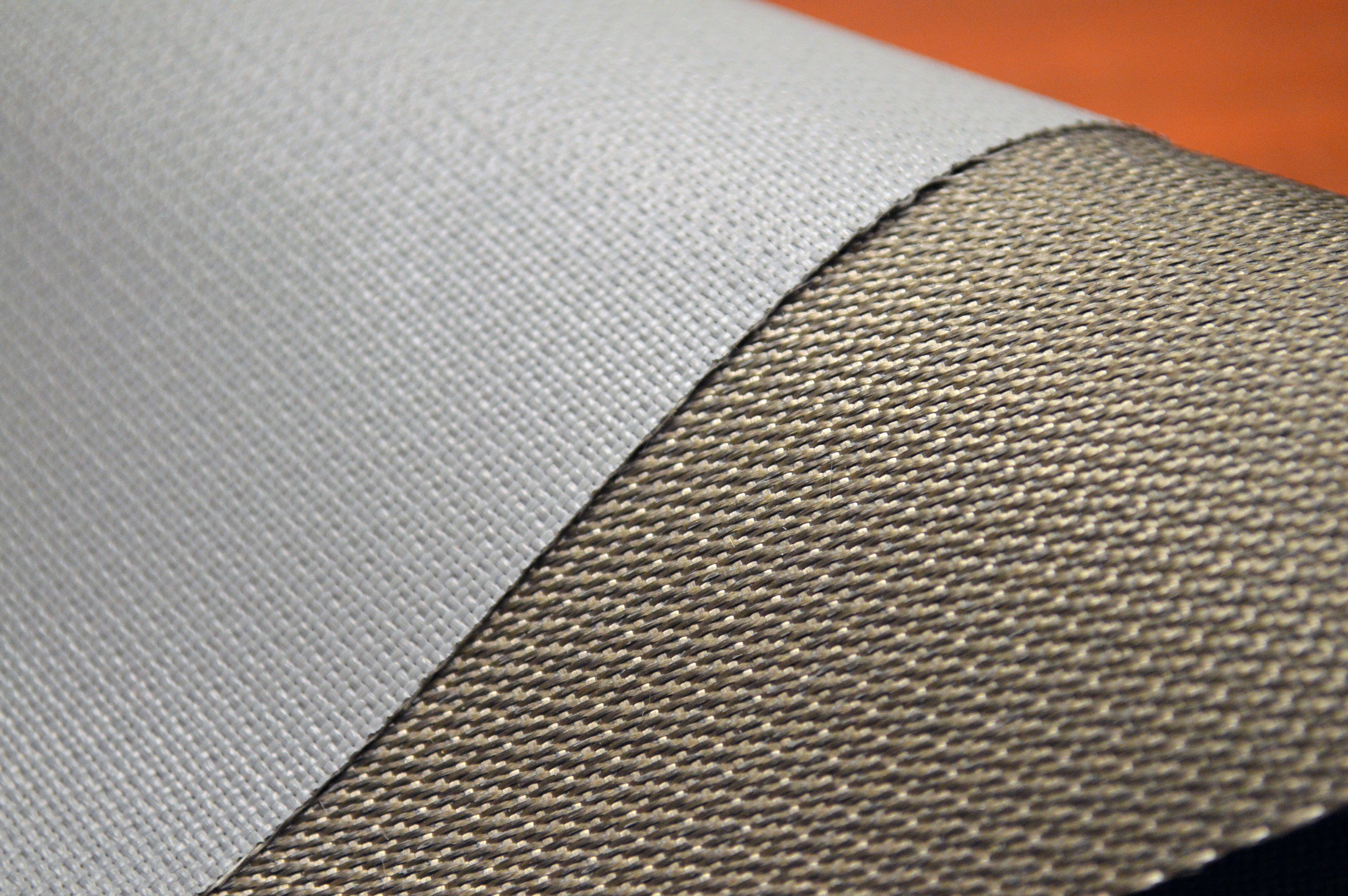
Textile coating can be defined as the process of depositing a resin over a textile substrate, on one or two sides. Different to the chemical finishing, which consists of the impregnation of the fibres, not only are the yarns coated, but also the spaces in between them. The different characteristics between the substrate and the coating product are combined to produce a new structure that acquires the best properties of each component: fabric and resin.
There are different procedures for the coating of textiles and not all are suitable for all products or substrates.
One of the procedures most used is direct coating, which is based on the application of one or various layers of polyurethane, PVC, acrylic resins, etc. paste, over the textile substrate, using a scraper, knife, cylinder, etc.
Foam coating consists of submerging the textile material in a bath which contains the foam compound using a solution or a watery dispersion and afterwards draining off the excess liquid. A similar process is the coating that is done by foam flattening, which is used for fabrics with an open structure, that cannot be coated by the direct system. The difference between this and the former method is that the solid content in the foam compound is greater, reducing the penetration into the fabric and, in this way, allowing fabrics that are smoother and of a better drape to be made.
To get articles known as "artificial leather", the transfer coating method is used, which consists of the application of one or various layers of a polyurethane paste onto non-stick paper or separator, which is later transferred to the textile substrate.
In calendar coating five or more cylinders are placed in various positions, that with there rotation break and smoothen the coating to obtain a layer with a uniform thickness.




Modal Header
This is the text .
This is the text .
This is the text .
This is the text .